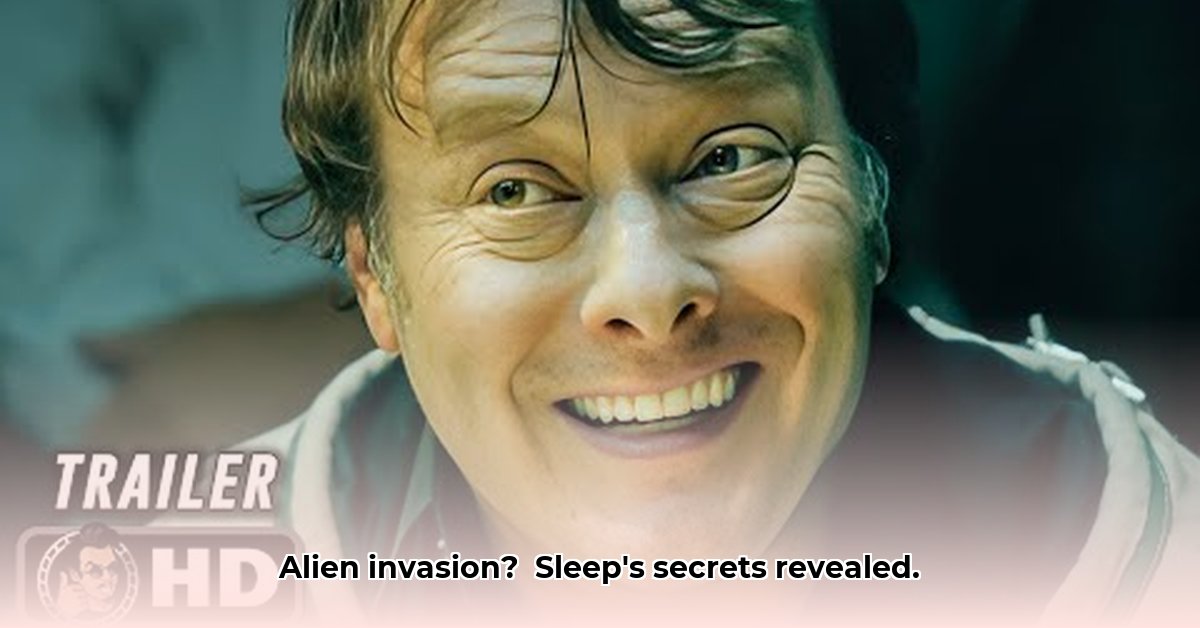
A Descent into Madness and the Cosmos
Right, mense, let's talk about Unspeakable: Beyond the Wall of Sleep. This ain't your average alien invasion flick; it's a proper mind-bender, a horror show that burrows deep into the darkest corners of your imagination. Set in the already-creepy Arkham Asylum, the film follows Ambrose London, a dream researcher who stumbles upon James Fhelleps, a patient battling dissociative identity disorder (DID) – a condition where someone has multiple distinct personalities. One of these personalities, Joe Slater, seems…out of sync, like he's been plucked from another time entirely. But that's just the beginning of this wild, unsettling ride.
The film throws you headfirst into a maelstrom of existential dread. It asks a chilling question: Could a mental illness be a portal to something truly otherworldly, something beyond human comprehension? That's the central tension that drives Unspeakable. At the heart of it all is the "Dream Machine," a piece of technology that delves into the deepest recesses of the human mind. Sounds fascinating, right? Well, it's more like opening a Pandora's Box filled with pure, unadulterated terror, ripping a hole in the fabric of reality and unleashing an extraterrestrial invasion in the process.
This isn't your typical jump-scare horror; it's a masterful blend of cosmic horror and psychological thriller. The Dream Machine, a symbol of humanity's unchecked ambition, serves as the catalyst for this invasion, highlighting the fragility of our reality and the thin line between dreams and waking life. The film boldly explores the unsettling question: Is the boundary between sanity and madness as fragile as the barrier between our world and…something else entirely?
The depiction of DID adds an extra layer of unnerving complexity. James Fhelleps' personalities aren't simply fragments of a broken psyche; they could be…vessels, entry points for something beyond human understanding. It's a terrifying metaphor for our vulnerability, for how easily our minds can be invaded and controlled. It’s subtly chilling, leaving a lingering unease long after the credits roll.
Have you ever considered the ethical implications of scientific advancements? Unspeakable serves as a stark warning about the dangers of tampering with the human mind, pushing the boundaries of what we understand, and the potentially catastrophic consequences that could follow. It's a cautionary tale about the dangers of unchecked ambition and the price we might pay for peering too deeply into the unknown.
Pivotal Points:
- The film masterfully blends cosmic horror with the psychological thrills of DID, creating a truly unique and unsettling experience.
- The Dream Machine acts as a powerful symbol of humanity's hubris and the potential dangers of scientific overreach.
- The unresolved ending of the film leaves the viewer with a lingering sense of unease and a multitude of thought-provoking questions.
Adapting the Madness to the Screen
Translating Unspeakable's unique blend of elements – Lovecraftian horror, DID, and a truly bizarre alien invasion – to the big screen presents a unique set of challenges. How do you even begin to depict such a chaotic, unsettling story?
A successful adaptation requires a delicate balance. Too little focus on the psychological aspects, and the horror loses its impact. Too much, and it risks becoming overly melodramatic and confusing. Visual storytelling is key: the shifts in personality should be conveyed through body language, visual cues, and changes in lighting and color palettes. Streamlining the number of personalities for clarity is also crucial – two or three key personalities, each with a distinct visual identity, would make for a more compelling narrative. The alien design, while unsettling, would be better served by a refinement, retaining its disturbing core but making it more cinematically viable. The pacing is vital; the horror shouldn't be revealed all at once, but should instead be built through subtle hints and effective sound design.
Finally, the film's unique blend of horror and dark humor requires careful execution. The humour needs to act as a macabre counterpoint, providing brief moments of darkly comedic relief without undermining the overall tone of terror.
The Takeaway: A Lasting Impression
Unspeakable: Beyond the Wall of Sleep isn't just a movie; it's an experience. It leaves you questioning reality, the fragility of the human psyche, and the potential dangers of unchecked scientific ambition. It's a film that will linger in your mind long after the credits roll, a chilling echo in the quiet moments between sleep and wakefulness. It's the kind of movie that keeps you looking over your shoulder, wondering what lurks just beyond the veil of your dreams.